

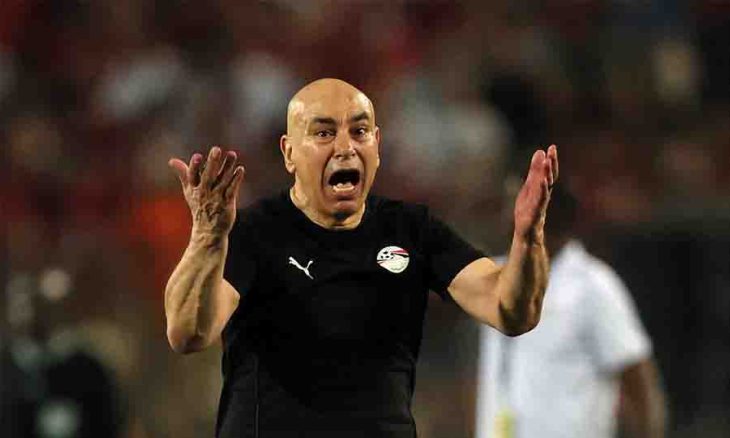
The French newspaper Le Monde has published a detailed breakdown of the highest-paid coaches across African national teams in 2024, and one of its conclusions stands out: Egyptian head coach Hossam Hassan sits well outside the top earners, despite leading one of the continent’s most-followed sides.
Background: why African national-team salaries vary so widely
Salaries for national-team coaches in Africa depend on federation budgets, commercial partnerships, and the strategic importance placed on a given campaign — whether that is an Africa Cup of Nations (AFCON) cycle, World Cup qualifying, or a long-term project. The result is a steep pay gradient across the continent, with a handful of coaches earning multiples of their peers for comparable workloads.
Key details: the Le Monde list
According to the French newspaper, Vladimir Petković, the coach of the Algerian national team, is the highest-paid in Africa with a salary of 108,000 euros per month. Hugo Broos, head coach of the South African national team, ranks second with 75,000 euros per month — a figure matched by Ivory Coast manager Emerse Faé.
Despite his historic achievement with Morocco, Walid Regragui is only the fourth highest-paid coach in Africa, earning 70,000 euros per month. Before his dismissal, Senegal’s Aliou Cissé was receiving 46,000 euros per month, followed by Otto Addo in Ghana with 45,300 euros and Marc Brys in Cameroon with 44,000 euros.
Sudan national-team coach Kwesi Appiah comes in seventh place on 38,000 euros per month. Hossam Hassan — who took over the Egyptian national team in March, succeeding Rui Vitória — sits just below him, earning 30,000 euros per month as the eighth highest-paid name on the list.
At the other end, Tunisia’s Faouzi Benzarti, who took charge for his third term in June, earns just 10,000 euros per month, making him one of the lowest-paid coaches in the African continent.
What’s next
With AFCON and the 2026 World Cup cycle on the horizon, the pay gap is likely to come under renewed scrutiny. Federations that underinvest in coaching staff risk losing talent to better-resourced rivals, while the top earners will face the opposite pressure — delivering results in tournaments that justify their contracts. For Hossam Hassan and Faouzi Benzarti in particular, the coming months will test whether tournament performance can shift the salary conversation ahead of their next renewals.