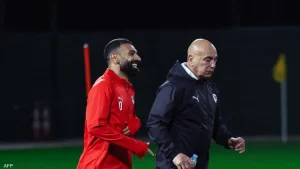


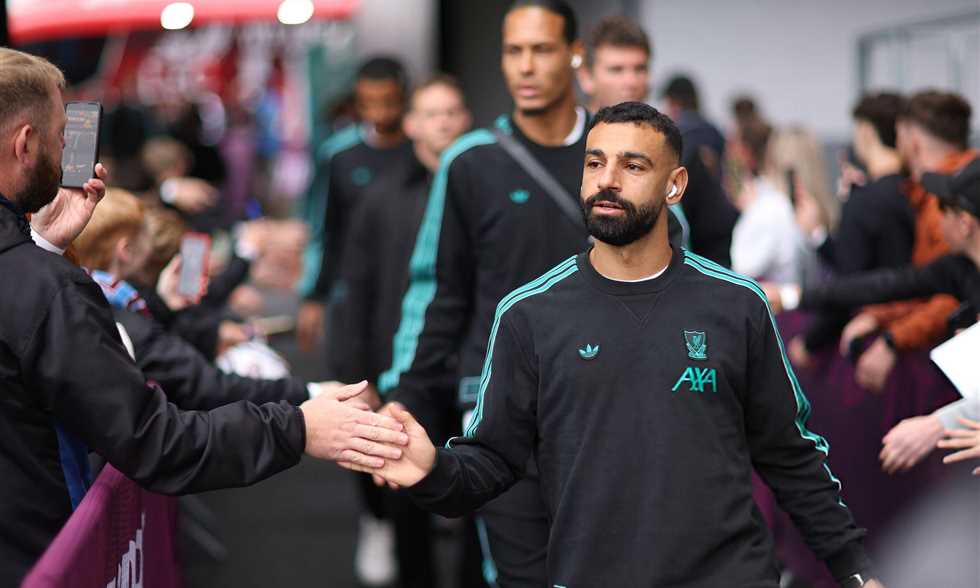
Sky Sports reports that the Saudi Ministry of Sport will decide which Saudi club Mohamed Salah joins next summer, in a move that underscores the kingdom’s centralized approach to managing its football landscape.
How the Decision Process Works
The “Egyptian King” announced his departure from Liverpool at the end of the current season, and the Reds’ management decided not to stand in his way, allowing him to leave as a free agent. This has triggered intense speculation about his next destination, with Saudi Arabia emerging as the most likely landing spot.
Unlike in European football, where clubs negotiate independently, Saudi Arabia’s Ministry of Sport plays an active role in coordinating high-profile signings to ensure competitive balance across the Saudi Pro League. The ministry reportedly wants to avoid a bidding war between Saudi clubs that could inflate the already enormous wages on offer.
Which Clubs Are in the Running?
Al-Ittihad and at least one other Saudi club have expressed interest in signing Salah. Al-Hilal, who already boast a star-studded squad, are also believed to be monitoring the situation. Each club has presented its case to the ministry, outlining how Salah would fit into their sporting project.
The decision will reportedly consider several factors beyond financial offers: competitive balance in the league, each club’s existing foreign player quota, and the broader commercial impact of Salah’s arrival in Saudi football.
What This Means for Salah
For Salah, the Saudi move would represent a lucrative final chapter in a career that has included record-breaking spells at Liverpool, Roma, and the Egyptian national team. The financial package on offer is expected to be one of the largest in football history.
However, the unusual involvement of a government ministry in determining his destination raises questions about player agency. Salah’s camp is reportedly comfortable with the process, viewing it as a guarantee that his interests will be protected regardless of which club he ultimately joins.
The involvement of the Saudi Ministry of Sport also has implications for the broader football ecosystem. As the Saudi Pro League continues to attract global stars, the centralized decision-making model may become a template for how the kingdom manages future high-profile signings — ensuring that the league maintains competitive balance while maximizing the commercial impact of each star arrival.
For Egyptian football fans, Salah’s potential move to Saudi Arabia would keep him closer to home than a move to MLS or a return to Europe. The proximity could mean more opportunities for Egyptian fans to see their hero play live, adding a personal dimension to what is primarily a business decision.