

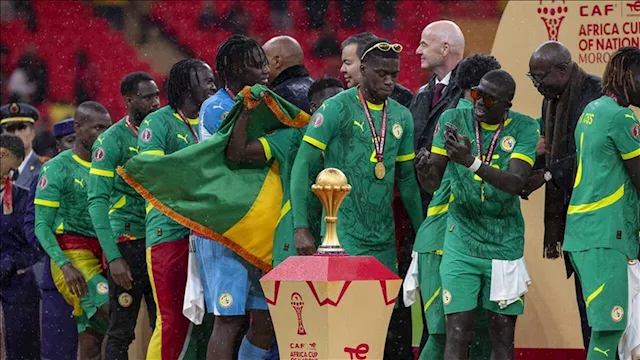
The Court of Arbitration for Sport (CAS) has suspended CAF’s controversial decision to award Morocco the hosting rights for the 2025 Africa Cup of Nations, throwing the tournament’s future into uncertainty and igniting a fierce debate across African football.
What Did CAS Rule?
CAS issued an interim ruling suspending CAF’s decision pending a full hearing of the case. The ruling came after Senegal filed an appeal challenging the process by which Morocco was selected as host nation, arguing that the bidding procedure was not conducted fairly.
The suspension means that all preparations for a Morocco-hosted tournament are effectively on hold until CAS delivers its final verdict. This creates a logistical nightmare, as infrastructure, ticketing, and broadcasting arrangements had already begun.
Why the Decision Is Controversial
Multiple African football federations have questioned the transparency of CAF’s selection process. Critics argue that Morocco’s selection was predetermined and that other bidding nations — including Senegal, Algeria, and Kenya — were not given a fair hearing.
Morocco has hosted multiple major football events in recent years and was seen as the “safe” choice for CAF, but opponents argue that rotating the tournament across different regions of Africa is essential for the sport’s development on the continent.
What Happens Next?
CAS is expected to hold a full hearing in the coming weeks. The possible outcomes include:
- Uphold Morocco — Lift the suspension and confirm Morocco as host
- Order a re-vote — Require CAF to conduct a new, transparent bidding process
- Award to another nation — Redirect the tournament to a different host, though this is considered unlikely
For now, African football waits. The 2025 AFCON remains one of the most anticipated tournaments on the continent, and the hosting saga has only added to the drama surrounding it.
The Political Dimensions
The hosting dispute reflects deeper political tensions within African football. CAF’s decision-making process has long been criticized for lacking transparency, with allegations that hosting rights are often decided behind closed doors rather than through fair competition between bidding nations.
Morocco’s growing influence in African football governance — combined with the kingdom’s impressive infrastructure and hosting experience — has made it a frequent choice for continental events. But rival nations argue that this concentration of events in one country undermines the principle of sharing Africa’s biggest tournaments across the continent.
Senegal’s appeal to CAS is supported by several other African federations who believe the bidding process should be reformed to ensure greater accountability and equal opportunity for all nations.
Impact on Players and Teams
The uncertainty also affects national teams preparing for the tournament. Coaches need to plan training camps, friendly matches, and squad selection around a confirmed tournament date and location. Without clarity on the host nation, preparation becomes guesswork.
For players, the AFCON represents the pinnacle of African international football — a chance to represent their countries on the biggest stage the continent offers. The political wrangling over hosting risks overshadowing the sporting spectacle that millions of fans across Africa look forward to every two years.
CAS’s final ruling will not just determine where the 2025 AFCON is held — it will set a precedent for how future hosting decisions are made across African football.